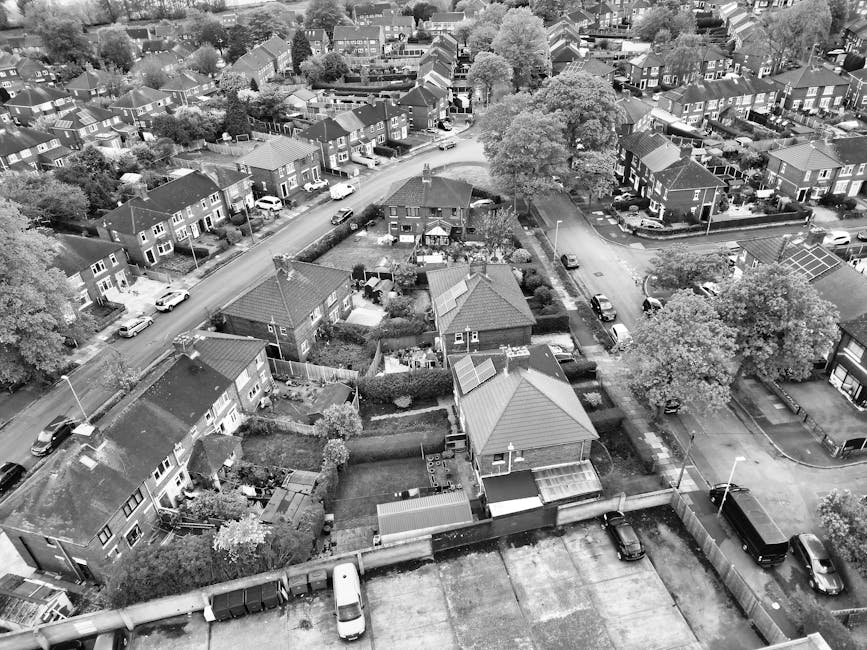
W2 Estate Removals Advice for Bayswater Council Estates
If you are planning a move in Bayswater, the difference between a smooth day and a stressful one usually comes down to the small stuff: lift access, parking, paperwork, timing, and how well your belongings are packed. That is especially true when you need W2 estate removals advice for Bayswater council estates, because estate moves often involve tighter access, more neighbours around, and a bit less margin for error than a typical house move. Truth be told, a good plan matters more than a big van.
This guide breaks the process down in plain English. You will find practical steps, common mistakes, local considerations, and a realistic way to choose the right removal support. Whether you are moving from a compact flat, a maisonette, or a larger council property, the aim is simple: help you move without the usual last-minute panic. And yes, it can be done calmly.
Expert summary: Estate removals in Bayswater work best when you plan access first, pack by priority, protect shared spaces, and match the vehicle size to the building rather than to wishful thinking. A tidy plan saves time, stress, and often money.
Table of Contents
- Why W2 estate removals advice for Bayswater council estates Matters
- How W2 estate removals advice for Bayswater council estates Works
- Key Benefits and Practical Advantages
- Who This Is For and When It Makes Sense
- Step-by-Step Guidance
- Expert Tips for Better Results
- Common Mistakes to Avoid
- Tools, Resources and Recommendations
- Law, Compliance, Standards, or Best Practice
- Options, Methods, or Comparison Table
- Case Study or Real-World Example
- Practical Checklist
- Conclusion
- Frequently Asked Questions
Why W2 estate removals advice for Bayswater council estates Matters
Council estates in and around Bayswater tend to bring together several moving-day challenges at once. You may have narrow corridors, shared stairwells, limited loading space, controlled entry points, or neighbours who would very much prefer not to hear a sofa scraping through the hallway at 8am. That is not a criticism; it is just the reality of high-density living in W2.
The reason this advice matters is simple: an estate move is not just about transportation. It is about timing, access, communication, and care for the building itself. Miss one of those and the whole day can become awkward. For example, a van that is technically large enough may still be the wrong choice if it cannot stop safely near the block. Or a perfectly packed box can become a problem if it has to be carried down several flights because the lift is out of service.
Another reason to plan carefully is neighbour relations. On an estate, your move happens in shared space. That means hallways, lifts, entrances, and parking areas all need a little respect. In our experience, the moves that go well are rarely the flashy ones. They are the organised ones.
How W2 estate removals advice for Bayswater council estates Works
The process starts before the van arrives. A sensible estate move begins with an assessment of the building and the items being moved. You do not need to overcomplicate it, but you do need to know a few basics: floor level, lift access, distance from front door to vehicle, whether there are any loading restrictions, and what bulky or fragile items need special handling.
From there, the move is usually shaped around the following sequence:
- Survey the access points. Check stairs, lifts, doors, and any tight corners.
- Sort and reduce. Decide what is moving, what is being stored, and what can be recycled or removed.
- Pack in a practical order. Essentials first, awkward items last, fragile items separately.
- Choose the right vehicle and crew. A removal van, a larger truck, or a flexible man and van option may suit different estate layouts.
- Protect shared areas. Floor coverings, careful lifting, and clear communication help avoid damage and complaints.
- Unload with placement in mind. Put boxes and furniture into the correct rooms the first time if you can. It makes the evening much easier.
One overlooked point: estate moves often benefit from staged loading. If the lift is small or the route is awkward, a smaller vehicle with quicker shuttle trips can be better than trying to force one giant load through a complicated building. Bigger is not always better. A bit annoying, but true.
Key Benefits and Practical Advantages
Good removals advice is not just about avoiding problems. It also makes the whole move feel lighter and more manageable. That alone can be worth a lot when you are juggling keys, work, children, or a landlord handover.
- Less physical strain: Proper planning reduces unnecessary lifting, awkward carrying, and rushed trips.
- Lower risk of damage: Both your belongings and the building are better protected when the route is thought through.
- Better time control: Clear packing and vehicle planning help prevent the day from stretching on and on.
- Less disruption to neighbours: Estate-friendly moving avoids blocked entrances, noise spikes, and confusion in shared spaces.
- More confidence on the day: When you know what happens first, second, and third, you are less likely to panic over small delays.
There is also a financial angle. Planning can help you avoid wasted time, extra trips, and rushed last-minute additions. If you want to understand how a quote might be built, it is worth reviewing the company's pricing and quotes information before you book. That gives you a better idea of what affects the final figure.
And if you are weighing up whether to do it yourself or hire help, the answer often comes down to the building. Council estate access can make a DIY move feel manageable on paper but exhausting in practice.
Who This Is For and When It Makes Sense
This advice is especially useful if you live in a Bayswater council estate and any of the following sound familiar:
- you are moving from a flat or maisonette with shared access;
- you have bulky furniture, white goods, or fragile items;
- your building has limited parking or restricted loading;
- you are moving with children, older relatives, or pets;
- you need to leave on a strict deadline;
- you are clearing a property quickly after a tenancy change;
- you want to avoid awkwardness with neighbours and building managers.
It also makes sense if your move is not massive, but still tricky. That is the sweet spot where a focused service can be more useful than a full-scale team. For smaller flats and moderate loads, a flexible flat removals service or a well-sized van can be enough. For bigger family moves, a more structured house removals approach may be the better fit.
If you are a student moving into or out of nearby accommodation, the logic is similar, just with more boxes and usually less furniture. Odd how the boxes multiply, isn't it?
Step-by-Step Guidance
1. Check the building access first
Before anything gets packed, look at the route from your front door to the vehicle. Measure mentally if you must: stairs, corners, lift width, doorway clearance, and the distance to where the van can actually stop. This is the point where many moves become easier or harder than expected.
2. Decide what is staying, moving, or leaving
Separate items into three groups: take, store, and remove. Be honest. If you have not used something in two years and it is damaged or awkward to carry, maybe now is the moment. For furniture that is no longer needed, a furniture removals or furniture pick up option can simplify the clear-out side of the move.
3. Pack room by room
Room-by-room packing keeps the move readable. Label boxes with the room and a short content note, such as "kitchen - plates" or "bedroom - bedding". That small detail saves time later when you are tired and everything looks the same brown box. All of a sudden every box becomes identical, of course.
4. Protect fragile or awkward items
Use proper wrapping for glassware, lamps, mirrors, and electronics. If you are moving anything unusually heavy or delicate, such as a piano or large cabinet, mention it early. A specialist piano removals approach may be needed rather than a standard lift-and-go plan.
5. Match the service to the job
Some estate moves are best handled by a compact van and a couple of experienced movers. Others need more muscle, more space, or a mixed setup. The point is not to pick the fanciest service. It is to pick the one that fits your building and belongings.
6. Keep essentials separate
Put medicines, keys, phone chargers, toiletries, snacks, and documents in a bag that stays with you. This is a tiny thing, but it prevents that horrible "where did the kettle go?" moment at 10:30pm.
7. Confirm arrival time and access details
Share lift restrictions, parking notes, entry codes, and any awkward access points before moving day. A team can only work efficiently if the basics are clear. That is just common sense, really.
Expert Tips for Better Results
Here is where a little experience saves a lot of hassle.
- Book a sensible time slot. Early morning can be easier for estate access, but only if you can realistically get packed and ready. If not, you will just start the day stressed.
- Use smaller boxes for books and heavy items. One overfilled box is usually more trouble than three reasonable ones.
- Disassemble furniture in advance if you can. Flat-pack beds and wardrobes are easier to move in pieces. Keep screws and fittings in sealed bags.
- Take photos before unplugging anything. It helps with electronics, cable setups, and furniture reassembly.
- Leave a clear path in the hallway. It sounds obvious, but it matters. Shoes, coats, and recycling bags have a way of appearing exactly where they should not.
- Think about storage early. If there is a gap between moving out and moving in, short-term storage can remove pressure from the day.
One thing people often forget: estate moves can be physically quiet but mentally noisy. You are watching timings, doors, lifts, paperwork, and people at once. So keep your plan simple enough that you can remember it when you are tired.
Common Mistakes to Avoid
Most estate move problems are not dramatic. They are cumulative. A small delay here, a badly packed box there, a missing parking plan, and suddenly the day feels like it has gone sideways.
- Underestimating access issues: A flat that feels "small enough" can still be difficult if the lift is tiny or the corridor turns sharply.
- Booking the wrong vehicle size: Too small means multiple trips. Too big can mean parking headaches or access trouble.
- Leaving packing to the last night: That is how stress multiplies. It also tends to produce the weird drawer of cables nobody wants to deal with.
- Forgetting estate rules or building expectations: Some blocks are stricter than others. Check before move day.
- Not declaring heavy items: This is unfair on the movers and risky for the item itself.
- Skipping insurance questions: You do not want uncertainty about what is covered if something gets damaged in transit.
Another common one is assuming every item can be carried through the same route. In reality, some furniture needs to pivot, some needs to be wrapped, and some needs to come apart first. It is not glamorous. It is just how the job works.
Tools, Resources and Recommendations
You do not need a van full of fancy tools to make an estate move easier. A few practical items are enough:
- strong packing tape and a tape dispenser;
- marker pens for clear labels;
- different-size boxes for mixed loads;
- bubble wrap or protective paper for fragile items;
- blankets or covers for furniture protection;
- zip bags for screws, plugs, and small fixings;
- basic cleaning supplies for final checks;
- a phone charger and a paper note with key numbers just in case.
On the service side, it helps to understand the difference between a few common options. A man with a van arrangement can suit lighter loads or shorter local moves. A larger removal truck hire solution may be more efficient for bigger homes or bulkier furniture. If you want a broader service with packing support, packing and unpacking services can save a huge amount of time.
For readers comparing providers, it can also help to look at whether the company explains its process clearly. The pages on about the company, insurance and safety, and health and safety policy give useful signals about professionalism and attention to detail.
Law, Compliance, Standards, or Best Practice
Estate removals in the UK sit inside a few important standards and common-sense obligations. You do not need to become a legal expert, but you should expect your removal provider to work safely, respect shared spaces, and handle items responsibly.
Best practice usually includes:
- safe manual handling: lifting with care, using the right team size, and avoiding reckless carrying;
- public and building protection: preventing damage to walls, floors, doors, and lifts;
- clear communication: confirming times, access instructions, and special items in advance;
- appropriate insurance awareness: knowing what protection is in place for transit and handling;
- responsible disposal: separating reusable items, recyclable materials, and waste where possible.
If you are clearing furniture that will not be moved to the new property, check the company's approach to reuse and disposal. A page like recycling and sustainability is a useful sign that the business is thinking beyond the move itself.
For anything involving a shared block, you should also follow estate or building instructions where they apply. That may include booking lift times, avoiding certain hours, or keeping exit routes clear. The exact rules vary, so it is better to ask than guess. Guessing is rarely a good strategy on moving day.
Options, Methods, or Comparison Table
Here is a simple comparison of common approaches for Bayswater estate moves. It is not about choosing the "best" one in general. It is about choosing the best fit for your situation.
| Option | Best for | Strengths | Watch-outs |
|---|---|---|---|
| Man and van | Smaller loads, local estate moves, fewer bulky items | Flexible, often efficient for short distances | May be limited for large furniture or multiple trips |
| Standard removals service | Average flat or house moves with mixed furniture | Balanced support, more structured loading | Needs clear access details to stay efficient |
| Removal truck hire | Bigger loads and heavier household contents | More capacity, fewer back-and-forth journeys | Can be awkward if estate parking or access is tight |
| Packing and unpacking support | Busy households, fragile items, short deadlines | Saves time, reduces packing stress | Needs advance planning and clear priorities |
| Storage-inclusive move | Move-out and move-in dates do not line up | Keeps belongings safe during a gap | Requires extra coordination and labelling |
If your move is fairly straightforward, a smaller setup may be enough. If you have stairs, awkward angles, and a sofa that seems to have been built before common sense existed, a fuller removals service is usually the calmer option.
Case Study or Real-World Example
A typical Bayswater estate move might look like this: a one-bedroom flat on an upper floor, a shared lift that is not huge, a narrow entrance area, and a removal window that starts mid-morning. The occupant has a bed frame, a sofa, a washing machine, several book boxes, and fragile kitchenware.
In that situation, the smart approach is to pack the kitchen early, dismantle the bed the day before, and keep essentials in a separate bag. The mover checks the access route, confirms whether the lift can be reserved, and uses a van size that matches the building rather than the wish for one magical trip. Not glamorous, but effective.
What usually makes the biggest difference is the sequencing. Heavy items go first while everyone is fresh. Fragile boxes are clearly marked and loaded where they are least likely to shift. Hallway protection is laid down before the first item moves. Then, when the last box comes out, there is no frantic searching for keys, chargers, or the kettle lead. The move still feels like a move, of course, but it does not feel like a crisis.
That is really the goal with estate removals: not perfection, just a day that stays under control.
Practical Checklist
Use this simple checklist in the run-up to moving day:
- confirm your moving date and access times;
- check stair, lift, and doorway dimensions;
- find out where the vehicle can stop;
- separate items to keep, store, recycle, or remove;
- pack room by room and label clearly;
- wrap fragile items securely;
- dismantle large furniture where practical;
- keep documents, keys, and chargers together;
- notify neighbours or building contacts if needed;
- check insurance and safety details with the removals provider;
- prepare a basic first-night essentials bag;
- leave shared areas clean and accessible after loading.
If you want a move that feels less rushed, start earlier than you think you need to. That one habit solves a surprising amount.
Get a free quote today and see how much you can save.
Conclusion
W2 estate removals do not have to be stressful, even when the building is awkward or the timing is tight. With the right planning, realistic access checks, and a removal setup that fits the property, you can avoid most of the friction that turns moving day into a slog. Bayswater council estates present practical challenges, yes, but they are manageable ones when you deal with them early.
If you take just one thing from this guide, let it be this: plan the access before you plan the boxes. Once that is clear, everything else gets easier. And if the day still feels a bit much, that is perfectly normal. Moving is a big life moment, after all.
For a calmer, better-organised move, speak with a team that understands estate access, careful handling, and the realities of London blocks. A thoughtful plan can make the whole process feel lighter, and that is worth a lot.
Frequently Asked Questions
What should I check before arranging removals on a Bayswater council estate?
Check lift access, stair width, parking or loading space, building entry rules, and whether there are any time restrictions. It also helps to know if you have bulky furniture, fragile items, or storage needs.
Is a man and van suitable for council estate moves in W2?
Often yes, especially for smaller flats or lighter loads. A man and van can be a practical option if access is straightforward and you do not have too much bulky furniture.
How far in advance should I book a removal company for an estate move?
As early as you can, ideally once you know the moving date. Estate moves can be affected by access and timing, so early booking gives you more choice and less pressure.
What if the lift in my block is not working on moving day?
You should tell the removals provider immediately. Depending on the building layout and the load, they may adjust the crew size, use a different route, or reschedule. It is far better to adapt than force a bad plan.
Can I move out of a council estate flat in one trip?
Sometimes, but not always. It depends on the amount of furniture, the van size, and how easy the access is. A single trip is convenient, but it should never come at the expense of safety or space.
What items are most likely to cause problems during an estate move?
Large wardrobes, sofas, white goods, mirrors, beds, and pianos are common troublemakers. They may need dismantling, extra wrapping, or specialist handling.
Do I need packing help for a Bayswater flat move?
Not always, but it can help if you are short on time or have fragile belongings. A service such as packing and unpacking services can take a lot of pressure off the day.
How do I reduce noise and disruption for neighbours?
Use proper lifting, avoid dragging items, keep hallways clear, and try to move during sensible hours. A quick, organised move is usually far less disruptive than a slow, messy one.
Is storage useful if my dates do not line up?
Yes. If you are leaving one property before the next is ready, storage can bridge the gap and keep everything in one place without panic.
What should I ask about insurance and safety before booking?
Ask how items are protected during handling and transport, what the process is for damage concerns, and how the company manages lifting, loading, and shared spaces. The insurance and safety page is a useful place to start.
What is the best removal option for a small Bayswater estate flat?
That depends on your access and load, but smaller flat moves often suit compact, flexible services. If you want a broader overview, flat removals is a sensible place to compare the kind of support you may need.
How can I make moving day less stressful overall?
Pack early, label clearly, confirm access details, keep essentials separate, and choose a service that matches the building. Simple, but effective. Moving day rarely rewards improvisation.